Ignition Coil: Description and Operation
COIL ON PLUGCoil On Plug:
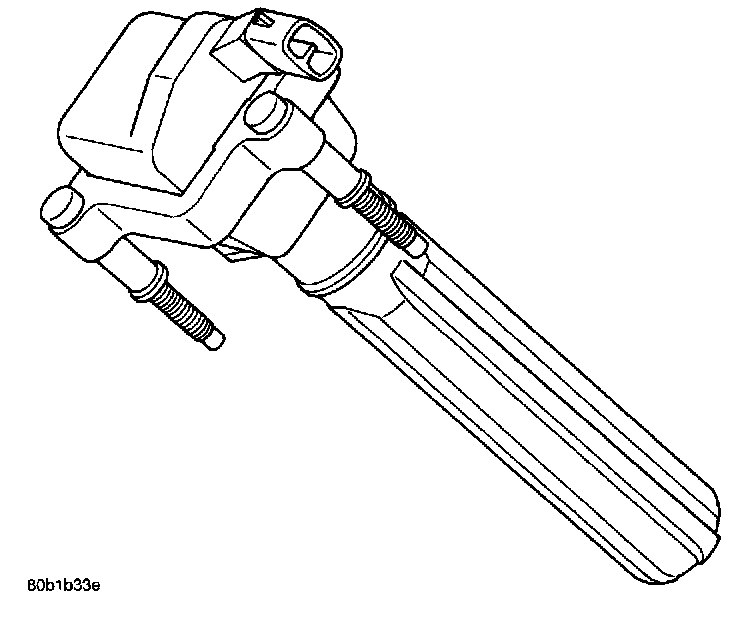
The engines are equipped with a coil on plug ignition system. Each cylinder has a dedicated coil that sits atop each plug. No secondary wires are required and connection from the coil to plug is made with a boot that is attached to the coil. The Powertrain Control Module (PCM) determines which coil to charge and fire at the correct time.
The Auto Shutdown (ASD) relay provides battery voltage to the ignition coil. The PCM provides a ground contact (circuit) for energizing the coil. When the PCM breaks the contact, the energy in the coil primary transfers to the secondary causing the spark. The PCM Will de-energize the ASD relay if it does not receive the crankshaft position sensor and camshaft position sensor inputs. Refer to Auto Shutdown (ASD) Relay-PCM Output, for relay operation.
Coil Capacitor:
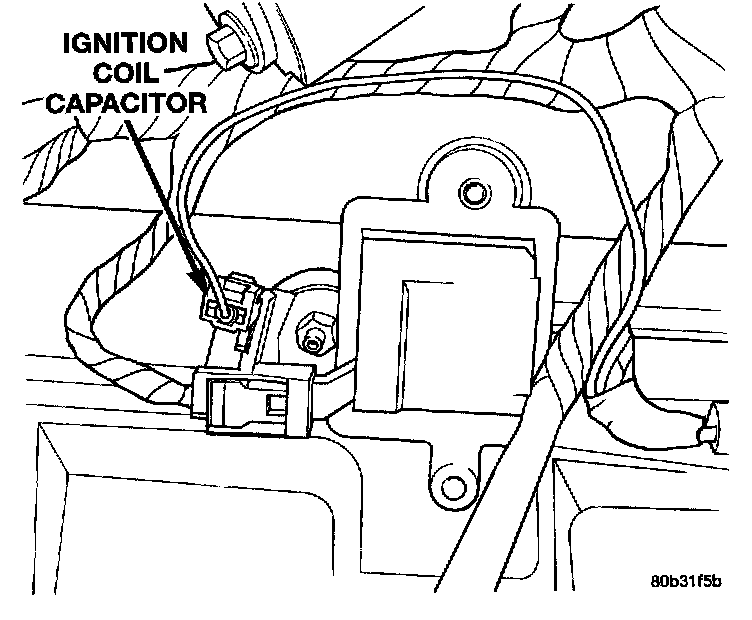
Coil Capacitor:
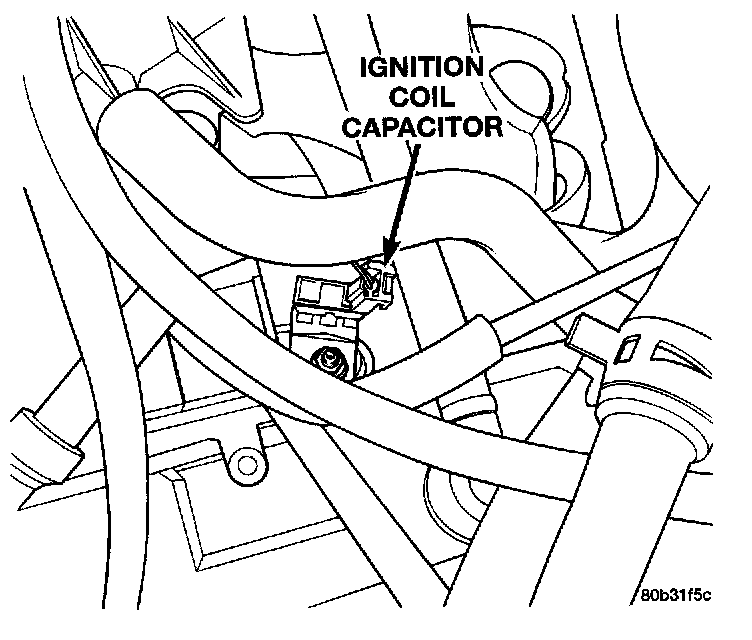
The coil's low primary resistance (0.4 - 0.6 ohm) allows the PCM to fully charge the coil for each firing. There are coil capacitors added to each bank of cylinders for radio noise suppression.
1999 IGNITION COIL-PCM OUTPUT
Ignition Coil:
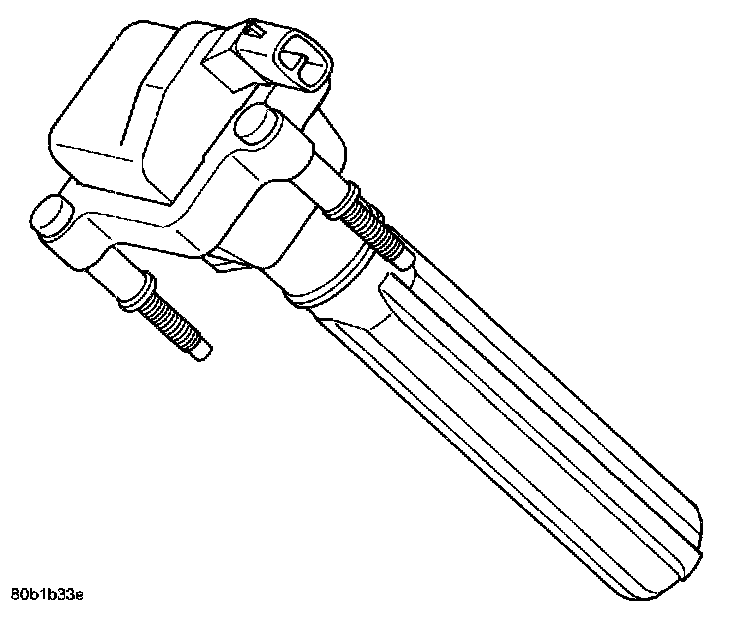
The PCM determines which of the coils to charge and fire at the correct time. The Automatic Shut Down (ASD) relay provides battery voltage to the ignition coil. The PCM provides a ground contact (circuit) for energizing the coil. When the PCM breaks the contact, the energy in the coil primary transfers to the secondary causing the spark. The PCM will deenergize the ASD relay if it does not receive the crankshaft sensor and camshaft sensor inputs. Refer to Automatic Shut Down (ASD) Relay and Fuel Pump Relay PCM for relay operation.